
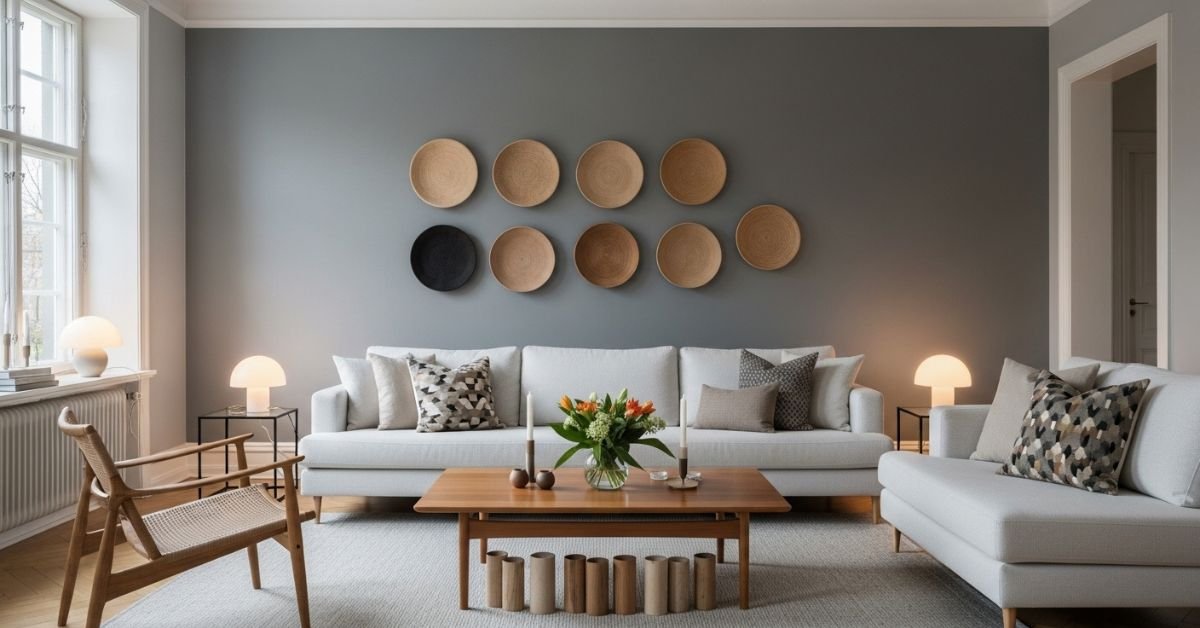
Decorating a home is a personal journey—one that reflects your taste, creativity, and connection to nature. In recent years, pyntekvister have become a favored interior design trend in Scandinavian and minimalist spaces alike. These decorative twigs and branches add texture, height, and organic elegance to any room without overwhelming it. Whether natural, artificial, or handmade, pyntekvister offer endless design possibilities.
This article will walk you through expert-approved ways to decorate any room with pyntekvister, blending aesthetics with function. From styling tips and placement ideas to seasonal variations and DIY inspiration, we’ll cover it all. This complete guide will also help answer the most commonly asked questions to improve your home’s ambiance using this timeless decor element.
Contents
- 1 What Are Pyntekvister?
- 2 Benefits of Decorating with Pyntekvister
- 3 Best Rooms to Style with Pyntekvister
- 4 Styling Tips: How to Decorate Any Room with Pyntekvister
- 5 Seasonal Styling with Pyntekvister
- 6 DIY Pyntekvister Ideas
- 7 Combining Pyntekvister with Other Decor Elements
- 8 Popular Types of Pyntekvister to Consider
- 9 Where to Buy Pyntekvister
- 10 Sustainability Tips
- 11 Common Mistakes to Avoid
- 12 Final Thoughts: Less Is More
- 13 FAQs: How to Decorate Any Room with Pyntekvister
- 13.1 How long do natural pyntekvister last?
- 13.2 Can I use pyntekvister in outdoor spaces?
- 13.3 What is the best vase shape for tall pyntekvister?
- 13.4 How do I keep pyntekvister from falling over?
- 13.5 Are pyntekvister safe around pets?
- 13.6 Can pyntekvister be used in modern home decor?
- 13.7 How often should I change pyntekvister arrangements?
- 13.8 What are the most durable types of pyntekvister?
- 13.9 How do I add lighting to pyntekvister decor?
- 13.10 Is it okay to mix real and artificial pyntekvister?
What Are Pyntekvister?
Pyntekvister, which translates from Norwegian to “decorative branches” or “decorative twigs,” are used to enhance interior spaces naturally. They can be real branches gathered from nature or artificial ones bought in home décor stores. Often displayed in vases, mounted on walls, or woven into wreaths, they serve as an elegant, organic decor piece suitable for all design styles.
Benefits of Decorating with Pyntekvister
Affordable Elegance
Compared to flowers and complex centerpieces, pyntekvister offer a minimalist yet refined look at a lower cost.
Low Maintenance
Unlike live plants, pyntekvister require little to no care, making them perfect for busy households.
Eco-Friendly Decor
Using natural twigs supports sustainable decorating practices and reduces reliance on synthetic materials.
Visual Versatility
They blend effortlessly with rustic, bohemian, Nordic, Japandi, and even modern or industrial interiors.
Best Rooms to Style with Pyntekvister
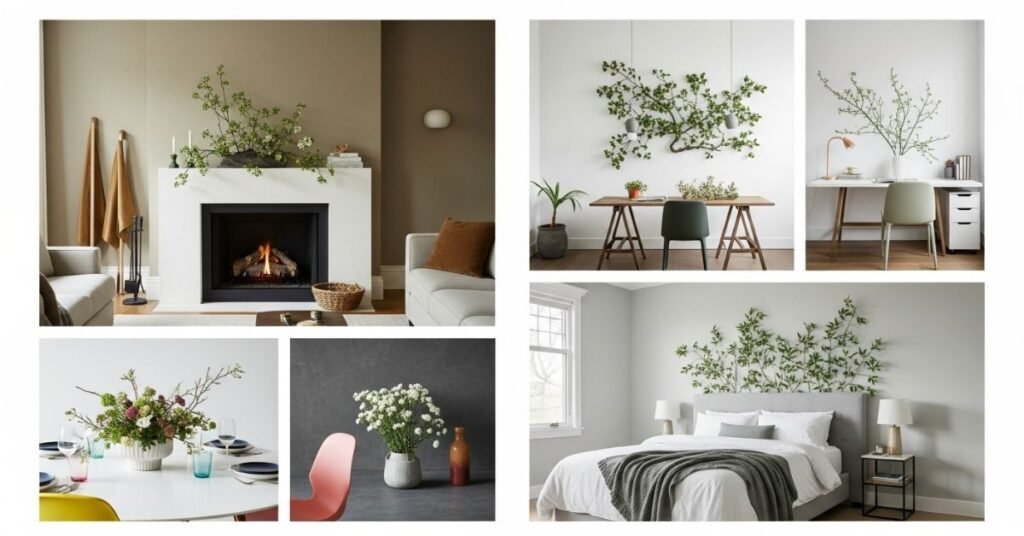
1. Living Room
Use tall pyntekvister in floor vases near corners or fireplaces. Choose twisted or curly willow branches for added texture. Pair with soft lighting to create a warm, inviting ambiance.
2. Bedroom
Smaller vases with delicate white or pastel-toned pyntekvister on bedside tables add calm and softness. Hanging branches above the headboard can also serve as natural artwork.
3. Kitchen
Place a slim vase of pyntekvister on your kitchen island or dining table. Opt for fruit-bearing twigs like faux cherry blossoms for a cheerful touch.
4. Bathroom
Bring a spa-like feel with a minimal arrangement on a vanity or open shelf. Eucalyptus branches are popular for their scent and aesthetics.
5. Hallways and Entryways
Use pyntekvister in tall, narrow vases to draw the eye upward and add height. This sets a natural, welcoming tone as guests enter your home.
6. Home Office
A well-placed pyntekvist arrangement can add calm and balance to your workspace, improving both focus and aesthetics.
7. Dining Room
Use a centerpiece of mixed-length branches, possibly with added lights or flowers, to bring elegance to dining setups.
Styling Tips: How to Decorate Any Room with Pyntekvister
Choose the Right Vase
- Tall and narrow vases work best for dramatic branches.
- Wide and short vessels can be filled with clustered twigs.
- Clear glass, ceramic, or metal vases complement different design themes.
Experiment with Color and Texture
- Natural brown branches evoke warmth and rustic charm.
- Painted white or gold twigs can offer a modern or festive feel.
- Mix twigs with dried flowers, feathers, or LED lights.
Layer and Group for Impact
- Use odd numbers (3 or 5 branches) for a natural look.
- Combine different lengths and types of pyntekvister for depth.
Wall Displays
- Arrange branches in a horizontal or vertical pattern on the wall.
- Frame them like artwork for an elevated effect.
- Use lightweight branches and removable hooks or nails for safety.
Mantel and Shelf Arrangements
- Combine with candles, books, and photos for a warm display.
- Let branches lean slightly for a natural, lived-in look.
Seasonal Styling with Pyntekvister
Spring Themes
- Use budding green branches or faux cherry blossoms.
- Add pastel-colored accents or tie small bows for Easter-themed decor.
Summer Decor
- Mix in beach elements like driftwood or seashells.
- Keep arrangements airy and light using white or sand-colored vases.
Autumn & Harvest Season
- Use orange, red, and yellow branches.
- Add pinecones, mini pumpkins, and dried leaves for a festive vibe.
Winter & Holiday Decor
- Add artificial snow spray to branches.
- Wrap in fairy lights or include red berries and pine sprigs.
- Hang ornaments or stars for a minimalist Christmas tree substitute.
DIY Pyntekvister Ideas
Painted Branches
Collect dry branches and spray-paint them in colors like matte black, gold, or silver. Use these for festive or formal events.
Beaded and Crystal Pyntekvister
Glue tiny beads, pearls, or small faux crystals onto branches for a glamorous twist. Great for weddings or formal dinner parties.
Fragrance-Infused Twigs
Add a few drops of essential oils like lavender or eucalyptus for a sensory experience.
Nature-Inspired Centerpieces
Tie twigs with jute rope and mix them with pinecones, cinnamon sticks, or dried citrus slices for rustic centerpieces.
Combining Pyntekvister with Other Decor Elements
With Candles
Place a cluster of branches around a candle base or lantern for a romantic glow.
With Mirrors
Position tall pyntekvister beside mirrors to enhance the illusion of height and space.
With Bookshelves
Nestle small bunches of twigs between books or in empty shelf spaces to break visual monotony.
With Art Frames
Use branches to complement the color palette or theme of nearby wall art.
With Plants
Combine pyntekvister with potted plants for a lush, layered natural display.
Popular Types of Pyntekvister to Consider
1. Curly Willow Branches
Twisted, dramatic shapes ideal for focal pieces.
2. Birch Twigs
White bark makes them perfect for Scandinavian or winter themes.
3. Manzanita Branches
Dense and sturdy; great for structural or wall-mounted displays.
4. Eucalyptus Twigs
Perfect for bathrooms and kitchens due to their natural scent.
5. Cherry Blossom Branches
Adds softness and color, especially in spring-themed settings.
Where to Buy Pyntekvister
- Local florists: Both natural and artificial options, with seasonal variety.
- Home decor stores: Chains like IKEA, H&M Home, Søstrene Grene.
- Garden centers: Often have natural twigs and dried floral arrangements.
- Online marketplaces: Etsy for handmade or customizable options; Amazon for bulk or quick delivery.
Sustainability Tips
- Use fallen branches from your garden or nearby woods.
- Avoid overharvesting in natural areas.
- Reuse pyntekvister year after year with seasonal updates.
- Repurpose old branches into wreaths, table runners, or even chandeliers.
Common Mistakes to Avoid
- Overcrowding: Keep arrangements minimal to prevent a cluttered look.
- Poor placement: Ensure they don’t obstruct walkways or furniture.
- Wrong proportions: Match branch size to the room and vase.
- Neglecting stability: Use weights or foam to anchor tall branches.
Final Thoughts: Less Is More
Decorating with pyntekvister is about embracing nature’s imperfections and simplicity. When used thoughtfully, they can create a soothing, stylish, and timeless atmosphere in any room. From rustic farmhouse to chic modern, pyntekvister adapt to your interior vision effortlessly.
FAQs: How to Decorate Any Room with Pyntekvister
How long do natural pyntekvister last?
Natural branches can last several months indoors if kept dry. You can preserve them longer by sealing with a clear spray or drying them completely.
Can I use pyntekvister in outdoor spaces?
Yes, but opt for weather-resistant or artificial versions for durability.
What is the best vase shape for tall pyntekvister?
Tall, narrow vases with a weighted bottom are ideal. They provide stability and enhance the height effect.
How do I keep pyntekvister from falling over?
Use pebbles or floral foam in the vase to anchor the branches securely.
Are pyntekvister safe around pets?
Natural branches are generally safe, but avoid any with toxic oils or treated finishes. Always check the type before bringing them into homes with animals.
Can pyntekvister be used in modern home decor?
Absolutely. Their minimalist and clean look makes them perfect for modern, Scandinavian, and even industrial-style homes.
How often should I change pyntekvister arrangements?
There’s no set rule, but switching them seasonally keeps your decor fresh and engaging.
What are the most durable types of pyntekvister?
Manzanita, birch, and faux eucalyptus branches are known for their durability and strength.
How do I add lighting to pyntekvister decor?
Use battery-powered fairy lights or LED wire strands. Wrap them gently around branches or place them in the vase base.
Is it okay to mix real and artificial pyntekvister?
Yes. Mixing types adds dimension and ensures long-lasting structure while maintaining natural aesthetics.
By incorporating pyntekvister into your home decor, you blend artistry with simplicity. Whether you’re decorating a single shelf or redesigning your living room, these natural elements offer an affordable and meaningful touch.
Use pyntekvister thoughtfully, and your home will feel more connected to nature—beautiful, calming, and uniquely yours.