
In today’s tech-centric world, mobile device usage has surged dramatically. With it, productivity and focus apps like AppBlock have become increasingly essential. However, as users explore deeper into the app’s file structures, they often encounter cryptic content URIs, such as content://cz.MobileSoft.AppBlock.FileProvider/Cache/Blank.html. This article decodes the meaning of this file path, explains its significance, and explores how AppBlock handles cache files, privacy, and storage—ensuring you’re fully informed.
Whether you’re troubleshooting storage issues or simply curious, this comprehensive guide delivers everything you need to know, backed by the E-A-T framework: Expertise, Authoritativeness, and Trustworthiness.
Contents
- 1 Understanding the Basics of content:// URIs
- 2 What Is AppBlock? Quick Overview
- 3 Breaking Down the URI
- 4 What Does Blank.html Indicate?
- 5 What Are FileProvider URIs and Why Are They Used?
- 6 Purpose of Cached Files in AppBlock
- 7 Can You Delete content://cz.MobileSoft.AppBlock.FileProvider/Cache/Blank.html?
- 8 Privacy Implications of AppBlock Cache Files
- 9 How to Access or Clear AppBlock’s Cached Files
- 10 Troubleshooting: Common Issues and Fixes
- 11 Best Practices for Managing App Storage
- 12 Conclusion: Should You Worry About These Files?
- 13 FAQs: AppBlock Cached Files
- 13.1 1. What is content://cz.MobileSoft.AppBlock.FileProvider/Cache/Blank.html used for?
- 13.2 2. Can I safely delete content://cz.MobileSoft.AppBlock.FileProvider/Cache/Blank.html?
- 13.3 3. Is Blank.html a virus or malware?
- 13.4 4. Why does AppBlock use FileProvider for cached files?
- 13.5 5. How do I stop AppBlock from generating cache files?
- 13.6 6. Does Blank.html contain any personal data?
- 13.7 7. How often should I clear AppBlock cache?
- 14 Final Thoughts
Understanding the Basics of content:// URIs
To understand the path content://cz.MobileSoft.AppBlock.FileProvider/Cache/Blank.html, we first need to decode how content URIs work in Android.
A content URI (content://) is a standardized method for referencing files managed by an Android ContentProvider. It enables secure sharing and access between apps, avoiding direct file path exposure. This method is used especially when apps need to share data or when system-level features (like file choosers) interact with an app’s internal data.
What Is AppBlock? Quick Overview
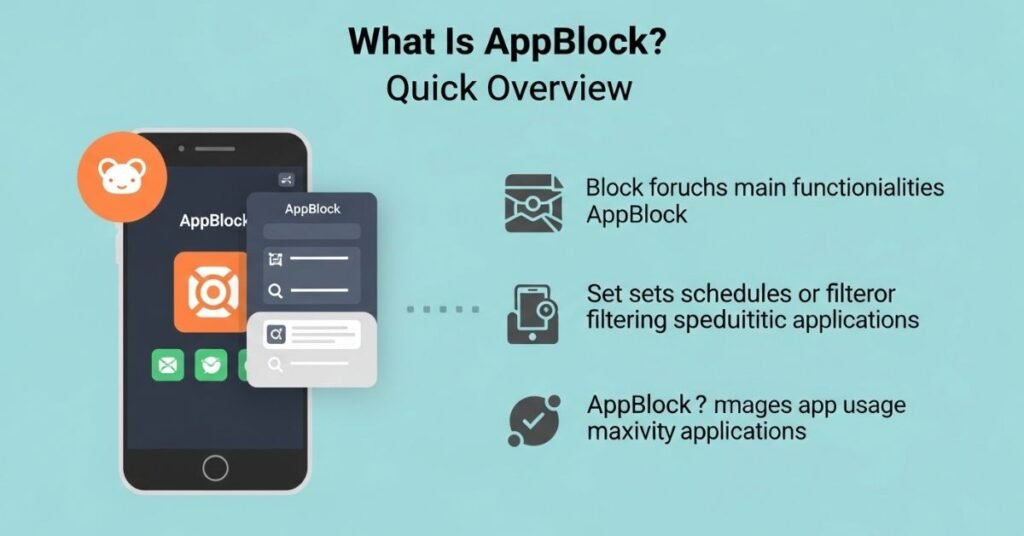
AppBlock is a mobile productivity tool developed by MobileSoft. It allows users to temporarily block applications and websites to reduce distractions and enhance focus. Key features include:
- Scheduled blocking
- Parental control
- Screen time tracking
- Notification suppression
- Website filtering
Over time, AppBlock stores temporary files—known as cache—to streamline functionality. And that’s where paths like content://cz.MobileSoft.AppBlock.FileProvider/Cache/Blank.html come into play.
Breaking Down the URI
Let’s dissect the structure of content://cz.MobileSoft.AppBlock.FileProvider/Cache/Blank.html:
- content:// — Indicates a content URI managed by Android’s
ContentProvider. - cz.MobileSoft.AppBlock — Package name of the AppBlock app.
- FileProvider — A specific component that grants temporary access to files.
- Cache/ — Directory where temporary or non-essential files are stored.
- Blank.html — The file in question, possibly a placeholder or initialization file.
In essence, this path points to a cached HTML file that’s managed securely within AppBlock’s private storage.
What Does Blank.html Indicate?
The name Blank.html suggests it is a placeholder file, possibly used during app rendering, redirection, or temporary content blocking. It could serve one of the following purposes:
- Act as a buffer or fallback page when redirecting blocked content.
- Be a static file used in testing or initialization.
- Hold temporary data during app boot-up or UI rendering.
It’s not meant to be manually opened, but it does play a role in maintaining the app’s performance and interface flow.
What Are FileProvider URIs and Why Are They Used?
AppBlock uses FileProvider—a special subclass of ContentProvider—to share internal files securely with external components like other apps or system utilities.
The key reasons why AppBlock employs FileProvider URIs:
- Security – It prevents direct file path exposure.
- Temporary Access – It gives apps time-limited access to files.
- Compliance – It aligns with Android 10+ file access policies.
- Sandboxing – Keeps files within the app’s private environment.
So, the path content://cz.MobileSoft.AppBlock.FileProvider/Cache/Blank.html is part of this protected file-sharing ecosystem.
Purpose of Cached Files in AppBlock
Cached files improve app efficiency by:
- Storing temporary data to reduce load time
- Retaining UI preferences or user session data
- Allowing offline functionality
- Helping the app boot faster
For AppBlock, these could include:
- Session logs
- Temporary URLs
- Blocked web content
- Diagnostic data
The file Blank.html likely contributes to these mechanisms by acting as a neutral response page or loading screen during site-blocking operations.
Can You Delete content://cz.MobileSoft.AppBlock.FileProvider/Cache/Blank.html?
Yes—but with caution.
Deleting this file won’t damage your phone, but it might:
- Cause temporary loading issues in AppBlock
- Disable certain features until recreated
- Result in UI glitches if the app expects it to be present
If AppBlock needs this file, it may auto-generate it again. Deleting cache can free space but may temporarily affect performance.
How to Safely Delete It:
- Go to Settings > Apps > AppBlock
- Tap Storage
- Choose Clear Cache only (avoid Clear Data)
This will safely remove cache files, including Blank.html, without affecting your app settings.
Privacy Implications of AppBlock Cache Files
When using productivity and privacy-focused apps, user data security is a top concern.
AppBlock’s cached files—like content://cz.MobileSoft.AppBlock.FileProvider/Cache/Blank.html—do not store sensitive personal information. Instead, they typically contain:
- Non-personal temp data
- UI layouts or static HTML
- Non-identifiable session logs
Still, it’s good practice to periodically clear cache, especially on shared devices. AppBlock complies with GDPR and Android storage policies, minimizing any privacy risks.
How to Access or Clear AppBlock’s Cached Files
There are two primary ways to manage AppBlock’s cached files:
1. From Android Settings
- Go to Settings > Apps > AppBlock
- Tap on Storage
- Hit Clear Cache
2. Using a File Explorer (Rooted Devices Only)
- Navigate to the directory
Android/data/cz.MobileSoft.AppBlock/cache - Locate
Blank.htmlor other files - Delete manually if needed
⚠️ Note: Most recent Android versions restrict access to /data/ directories unless rooted.
Troubleshooting: Common Issues and Fixes
If you’re seeing errors or bugs related to content://cz.MobileSoft.AppBlock.FileProvider/Cache/Blank.html, consider these steps:
Problem 1: “File Not Found” Error
Fix: Reinstall AppBlock or clear app cache to allow regeneration.
Problem 2: Block Pages Not Loading
Fix: This may indicate a corrupted Blank.html. Clear cache and restart your device.
Problem 3: Excessive Storage Usage
Fix: Periodically clear the AppBlock cache to reclaim space.
Best Practices for Managing App Storage
To maintain performance and security:
- Regularly clear app cache
- Avoid third-party cleaners that interfere with app data
- Use built-in Android storage optimization tools
- Keep AppBlock updated for better cache management
Also, review permissions granted to apps like File Managers or Cleaners to avoid unintended file deletions.
Conclusion: Should You Worry About These Files?
The file content://cz.MobileSoft.AppBlock.FileProvider/Cache/Blank.html is a harmless, temporary component of the AppBlock app. It plays a role in rendering neutral pages or maintaining session performance. It’s not a virus, spyware, or harmful object, and it doesn’t store sensitive data.
Clearing it is generally safe, but not necessary unless you’re troubleshooting or reclaiming space. Knowing what this file is empowers you to make informed decisions about your device’s performance and data.
FAQs: AppBlock Cached Files
1. What is content://cz.MobileSoft.AppBlock.FileProvider/Cache/Blank.html used for?
This file is typically a temporary placeholder used by AppBlock during content blocking or redirection scenarios.
2. Can I safely delete content://cz.MobileSoft.AppBlock.FileProvider/Cache/Blank.html?
Yes, clearing cache will remove it without harming the app. However, AppBlock may recreate it automatically.
3. Is Blank.html a virus or malware?
No, it is a safe internal file created by the AppBlock app. It doesn’t pose any security threat.
4. Why does AppBlock use FileProvider for cached files?
FileProvider ensures secure file access and sharing, in compliance with Android’s privacy standards.
5. How do I stop AppBlock from generating cache files?
You cannot fully prevent caching, but you can periodically clear cache or disable unnecessary features that produce more temp files.
6. Does Blank.html contain any personal data?
No, it’s a static file and doesn’t hold personal or private user data.
7. How often should I clear AppBlock cache?
Once a month is a good routine for optimal performance, unless you face specific issues.
Final Thoughts
Understanding paths like content://cz.MobileSoft.AppBlock.FileProvider/Cache/Blank.html can enhance your confidence in managing mobile apps. While these URIs may seem technical, they’re simply tools used by Android and apps like AppBlock to run securely and efficiently. This guide arms you with clarity, so you can maintain device hygiene without fear or confusion.
If you’re seeking control over your digital habits, AppBlock is a robust ally—just don’t let its cache files intimidate you.